How Lease Agreements Help Protect Landlords During Eviction Disputes
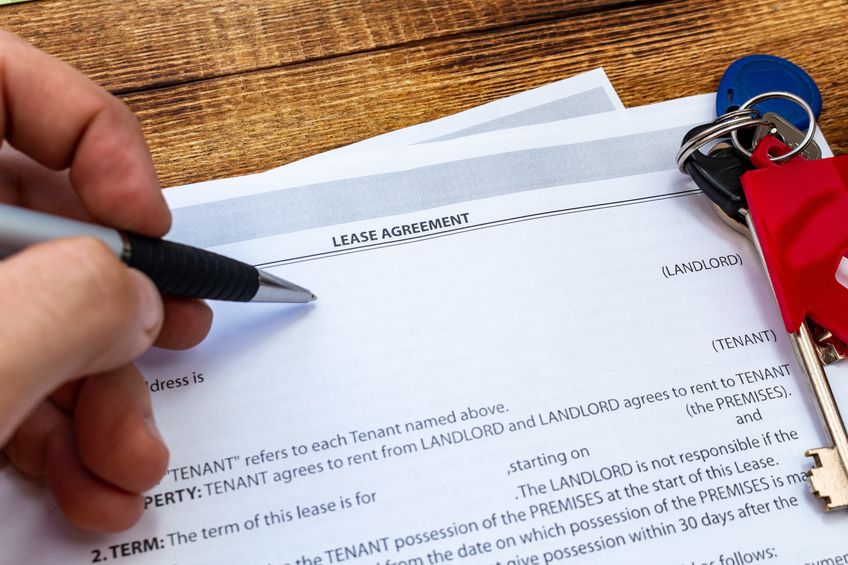
Resolving an eviction dispute in a timely manner requires retention of the lease agreement. Documentation signed by the tenant before they moved into the housing complex is an asset to any landlord navigating the legal process. The lease agreement may be the most important document of all, because it creates a legal framework that outlines both parties’ rights and obligations. A residential eviction attorney can go over the terms and represent these cases with all the professional attention they warrant.
Lease agreements are legally binding, which is why every landlord involved in an eviction dispute requires strong legal representation on their side. Lacking the appropriate documentation could prolong your case and lead to elevated costs and legal complications.
Establishing Exact Rent Amounts
The most important function of a lease agreement is to outline rent amounts and their due dates. This provides a framework for exactly how much rent tenants owe their landlords and sets an expectation of payment within a given timeframe. These terms equip landlords with vital leverage and create binding legal agreements well in advance of any eviction disputes.
When a tenant is delinquent in their rent payments, the lease agreement is the document that outlines how much money they owe and when the landlord can be expected to serve an eviction notice. If unpaid rent results in an eviction dispute, the lease agreement protects the landlord’s rights by outlining exactly what the tenant agreed to.
Providing State Disclosures
In California, landlords are legally obligated to provide their tenants with disclosure of certain hazards. This includes notice of bed bug infestations, mold damage, any lead-based paints used on the property, pest control measures that have been taken, warnings about flood potential, and more.
A lease agreement provides landlords with a way to meet these disclosure requirements in accordance with state law, and in turn notifies tenants of potential safety issues on the property. Specifically, a lease agreement is legally binding proof that a tenant disputing an eviction citing certain issues on the property was indeed notified of those issues before they signed the lease.
Outlining the Rules of the Complex
A common reason that a landlord might present an eviction notice to a tenant is that the tenant has broken certain rules and expectations for residents of the complex. These rules often revolve around noise complaints, the presence of pets on the property, conduct toward fellow tenants, conduct of the tenant’s guests, parking rules, illegal activity, and more. Putting these rules in the lease agreement protects a landlord’s rights in the event that they must present a tenant with an eviction notice.
By clearly outlining the rules of the property, a lease agreement protects the landlord’s legal interests in cases involving tenants who may be uncooperative with neighbors, destructive toward the property, and disruptive to the community. A well-written lease agreement serves as proof that the tenant was aware of the rules before they were evicted for violating them.
Gary Paul is an eviction attorney serving landlords throughout Santa Cruz County, California. Contact our office at (831) 234-2363 to obtain a free initial consultation and to discuss your case.